(214) 272-7034
  info@fasthippomedia.com


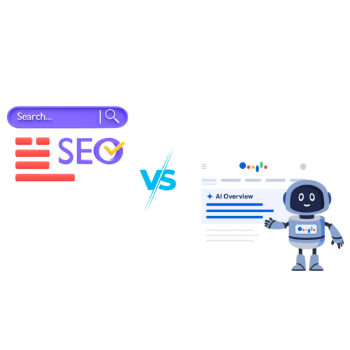
When it comes to online visibility, small businesses can no longer rely on just traditional SEO tactics to drive growth. Search engines and user behavior have changed. Enter Answer Engine Optimization (AEO), a newer strategy designed to get your brand in front of users through featured snippets, voice search, and AI-driven results. At Fast Hippo Media, we’ve seen firsthand how smart small business marketing can hinge on choosing the right approach between SEO and AEO. This guide breaks down SEO vs. AEO for small businesses, helping you understand which one offers the better ROI.
What is SEO and Why Has It Worked So Well?
Search Engine Optimization (SEO) is about optimizing your website and content to improve your ranking on search engines like Google. Traditional SEO focuses on keywords, backlinks, on-page content, and site structure.
SEO strategies for small businesses typically include:
- Targeting local and long-tail keywords
- Writing blog content based on search intent
- Earning backlinks through outreach and content value
- Technical optimization (site speed, mobile-friendliness, metadata)
Why it works: According to BrightEdge, 68% of online experiences begin with a search engine, and SEO drives over 1,000% more traffic than organic social media. It’s reliable, long-term, and cost-effective.
What is AEO, and How Does It Work?
Answer Engine Optimization (AEO) is a strategy focused on providing direct answers to user queries. The goal? Get your content featured in rich snippets, People Also Ask sections, and voice search results.
AEO marketing for small businesses includes:
- Structuring content in Q&A format
- Using schema markup for clarity
- Answering very specific, niche queries
- Optimizing for voice and conversational queries
Why it’s growing: With the rise of AI in SEO and conversational search optimization, users aren’t just typing; they’re asking. Google SGE (Search Generative Experience) is pushing more direct answers. Voice search usage in the U.S. grew by over 9% year over year in 2024, and 27% of the global online population uses voice search on mobile.
SEO vs AEO: A Direct Comparison

Here’s where SEO vs AEO for small businesses gets interesting. Each has strengths, and the right one depends on your business goals.
| Feature | SEO | AEO |
| Focus | Keywords & rankings | Direct answers & user intent |
| Tools | Google Search Console, SEMrush | Structured data, NLP tools, and voice search testing |
| Format | Long-form, keyword-rich | Q&A, concise, schema-enabled |
| Strength | Long-term traffic growth | Quick access to top visibility (snippets/voice) |
| ROI Timeline | Slower build-up | Faster for niche queries |
ROI from SEO vs ROI from AEO

Let’s talk results. Small businesses want to see returns, not just rankings.
- ROI from SEO: SEO remains a powerhouse. According to HubSpot, companies that blog consistently get 55% more website visitors and 67% more leads. Over time, SEO can reduce your cost per acquisition dramatically.
- ROI from AEO: While newer, AEO offers quicker access to top SERP features. A page that appears in a featured snippet can see a 20 to 30% increase in click-through rate, even if it’s not ranked #1.
So if you’re in a niche where quick, direct answers matter, AEO can outperform traditional SEO in ROI.
Traditional SEO vs Modern SEO: Where AEO Fits
Modern SEO is evolving. It’s no longer about stuffing keywords and building massive link farms. Google rewards context, intent, and structure.
Traditional SEO:
- Heavily reliant on backlinks and exact-match keywords
- Slower adaptability to AI and machine learning
Modern SEO with AEO:
- Prioritizes user intent, context, and clarity
- Adapts to AI-generated summaries and voice search
That’s where AEO steps in, not replacing SEO but building on top of it.
AEO Benefits for Small Businesses

Better visibility on AI-powered search tools
AEO content is designed to be understood and prioritized by AI-driven platforms like Google SGE. Structured data, clear formatting, and context-aware writing help your pages surface in answer boxes, knowledge panels, and more.
Rank Faster top SERP positions
Unlike traditional SEO, which often requires months of effort to climb rankings, AEO can help your content appear in featured snippets or “People Also Ask” sections much quicker. That’s a shortcut to page-one visibility.
Improved mobile and voice search presence
More than half of searches happen on mobile, and voice search continues to rise. AEO formats content to match conversational queries, making it more likely to be pulled for voice assistant responses.
Improved brand authority through featured snippets
When your content answers a query directly, it builds instant trust. Being featured as the direct answer not only increases traffic but also positions your brand as a credible, go-to source in your niche.
How to Decide: SEO or AEO for Your Business?
Ask yourself:
- Do your customers use voice search or mobile search heavily?
- Are your services the kind that answer very specific problems?
- Do you have the resources to structure your content for both ranking and answering?
If yes to any of these, AEO for small businesses may be your best marketing strategy.
But don’t abandon SEO. Instead, blend both. Use traditional SEO to get stable rankings and traffic. Layer in AEO to capture AI-generated results and voice queries.
Final Thoughts: Which Strategy Wins?
Here’s the thing, there’s no one-size-fits-all answer. But for small business marketing in 2025, the smart move is to integrate both.
Use SEO to build a solid foundation. Then use AEO to grab new real estate in AI-powered results and voice search. This combo gets you consistent traffic and future-ready visibility.
At Fast Hippo Media, we help small businesses strike that balance, building SEO strategies that grow over time while integrating AEO tactics that deliver quick wins.
The result: better ROI, better rankings, and visibility where it counts.
Frequently Asked Questions
SEO focuses on optimizing your site to rank for keywords in traditional search results. AEO targets direct answers in featured snippets, voice search, and AI-driven results.
It depends on your audience and goals. If your customers use voice search or look for quick answers, AEO can deliver faster visibility. For long-term growth, combining both works best.
AEO can show quicker results, sometimes within weeks, especially if your content fits specific questions. SEO generally takes months to build steady rankings.
Yes. Implementing schema markup and structuring content in clear Q&A formats helps search engines understand your content and deliver it as direct answers.
No. SEO remains essential for overall search visibility and traffic. AEO complements SEO by capturing new AI-driven search features, so using both together is the smartest strategy.